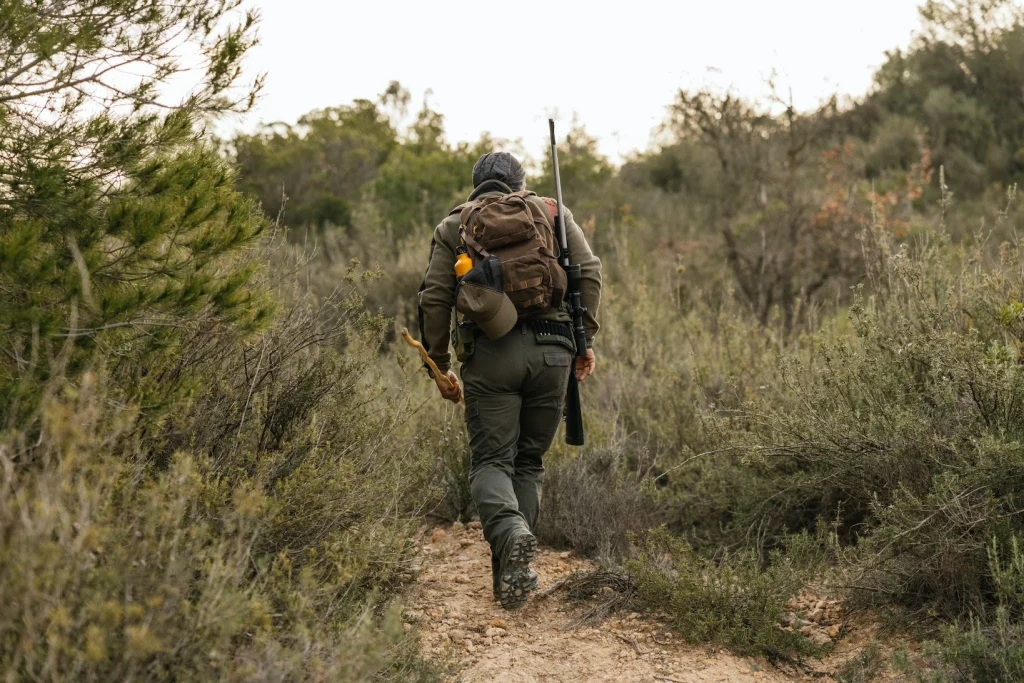
You’ve been scouting trails since August.
Your stands are hung, your gear is dialed in, and you’ve been watching the forecast like a hawk.
Opening day of hunting in Pennsylvania is here—and the last thing you want is your body being the thing that doesn’t show up.
And in Pennsylvania, that matters to a lot of people. According to the Tracking and Reporting Actions for the Conservation of Species (TRACS), more than 15.6 million paid hunting licenses were issued across the U.S. in 2023, with Pennsylvania ranking second among states for licenses issued.
For Western PA hunters, hunting season is more than a few hours in the woods. It can mean early mornings, steep terrain, heavy gear, long hours in a tree stand, and (if you’re lucky) a physically demanding pack-out at the end of the day.
That makes hunting one of the more physically demanding activities many people take on all year. And because hunting season only comes around once, hunters tend to push through pain in a way they wouldn’t during other activities.
We get it.
But we also see what that costs people and we’d rather help you avoid it than patch you up after the fact.
Here’s what you need to know to protect your body and help prevent common hunting injuries this season.
Common Hunting Injuries and Pain
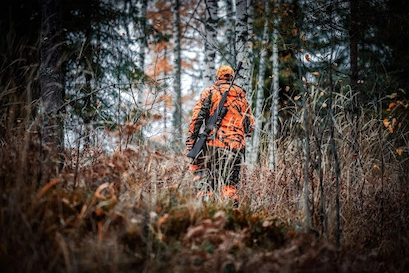
Hunting looks like a lot of sitting and waiting from the outside. And sure, there’s some of that. But anyone who has actually hunted knows there’s a lot more to it: early mornings hauling gear through uneven terrain, climbing into tree stands, sitting still in cold temperatures for hours, and, if you’re lucky, dragging or packing out a deer through the woods.
That’s a lot of physical demand on a body that may not have done this kind of work in months.
Add cold temperatures, steep terrain, heavy gear, and sudden bursts of physical activity, and it’s easy to see why hunting can lead to aches, strains, and injuries.
Some of the most common hunting-related injuries and complaints include:
- Low back pain and muscle spasms from climbing, navigating uneven terrain, or dragging game
- Shoulder pain and strain from carrying heavy packs, rifles, or bows for extended periods
- Knee pain from navigating steep hills, rocky ground, and creek crossings
- Neck stiffness from sitting in one position for hours while scanning for movement
- Hip tightness and discomfort from spending long periods sitting in a tree stand or ground blind
- Shoulder and rotator cuff strain from shooting, particularly for bow hunters who repeatedly draw their bows
The good news? A little preparation can go a long way toward helping your body handle everything hunting season throws at it.
The Tree Stand Factor
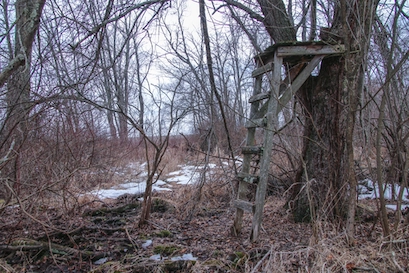
Let’s talk specifically about tree stands for a minute, because this is where we see a lot of preventable discomfort.
Sitting in a tree stand for four to six hours in cold weather can be tough on your body. You’re often stuck in a relatively fixed position with limited opportunities to shift your weight or move around. Over time, your core muscles can fatigue, your hip flexors can become tight, and your lower back may start to ache.
Then comes the climb down.
After hours of sitting still, your body suddenly has to transition into climbing and navigating uneven ground. When muscles and joints are cold and stiff, that change in activity can be challenging.
A few things that can help:
- Invest in a tree stand with a comfortable, supportive seat if you don’t already have one.
- Shift your weight and change positions safely throughout a long sit.
- Before climbing down, take a few minutes to gently move and stretch your back, hips, and legs.
- Give yourself time to loosen up before you start walking or climbing.
- Never rush the climb down. Cold, stiff muscles and rushing are not a great combination.
Pack-Out Pain: How to Prevent Hunting Back Injuries
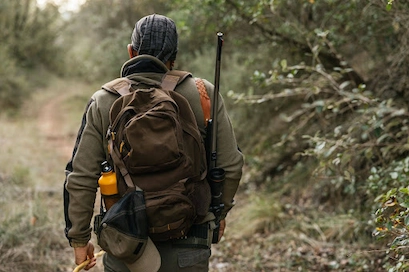
Getting a deer out of the woods is where a lot of hunters really put their bodies to the test.
You’re tired. You’re excited. And there’s potentially a 150-pound animal between you and the truck.
The temptation is to just power through it. But this is exactly when fatigue can affect your lifting and pulling mechanics, putting extra stress on your back, shoulders, and knees.
Here’s how to make the pack-out easier on your body:
- Field dress the animal when appropriate to reduce the amount of weight you need to transport.
- Use a deer cart, sled, or drag harness rather than relying on your body alone whenever the terrain allows.
- Use your legs when pulling or lifting and avoid repeatedly rounding or twisting your back.
- Take regular breaks. A few minutes of rest can help you avoid pushing your body past the point of fatigue.
- Ask for help. There is absolutely no shame in getting another set of hands when the load is heavy or the terrain is difficult.
Your goal isn’t to prove you can do it the hardest way possible. Your goal is to get yourself — and your deer — safely back to the truck.
Pre-Season Prep: Get Your Body Ready for Hunting Season
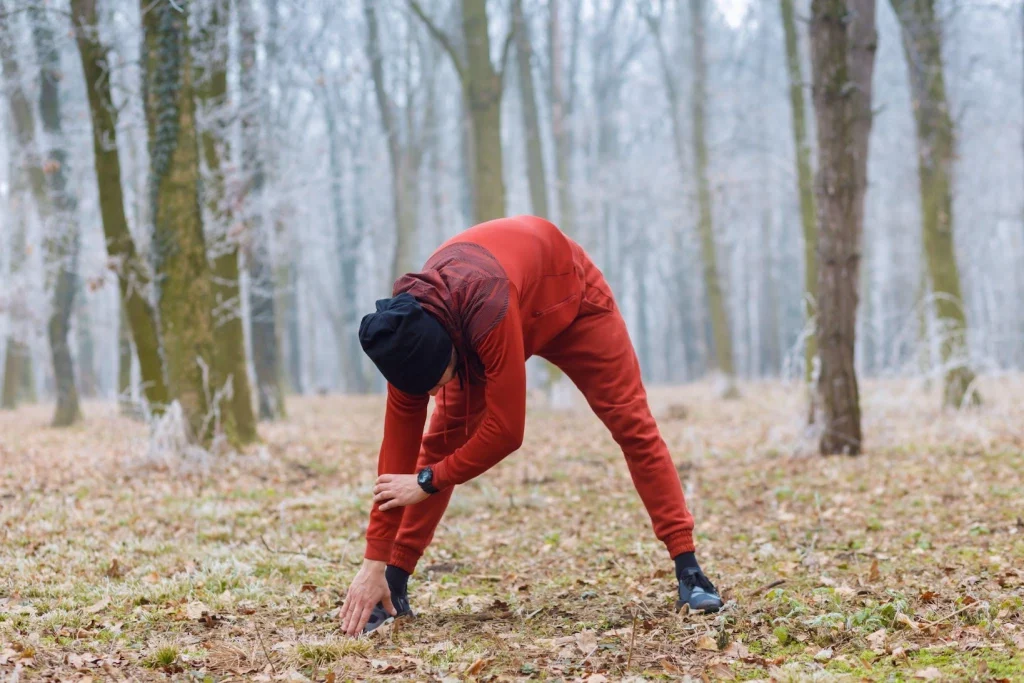
The best time to think about hunting injury prevention is before you head out into the woods.
If you know you’ll be spending long hours in a tree stand, hiking through uneven terrain, carrying equipment, or potentially packing out a deer, give your body some time to prepare.
Here’s what we recommend:
- Consider a pre-season chiropractic appointment. A visit before opening day can be a good opportunity to address existing aches, improve mobility, and talk through any areas of your body that tend to give you trouble during hunting season. Explore our chiropractic services to learn more about how we can help you prepare.
- Build your core strength. Even 10 to 15 minutes of core exercises a few times a week can help prepare your body for the demands of hiking, climbing, sitting, lifting, and pulling.
- Stretch your hip flexors regularly. Long periods of sitting can contribute to tight hip flexors and lower back discomfort. A few simple stretches can help keep your hips moving.
- Wear layers that allow you to move freely. Bulky or restrictive clothing can change the way you move and make physical activities more difficult.
- Break in your boots before opening day. Foot and ankle discomfort can affect the way you walk, which can place additional stress on your knees, hips, and back.
And don’t wait until the night before opening day to start. Even a couple of weeks of consistent preparation is better than nothing.
Don’t Hunt Through Pain
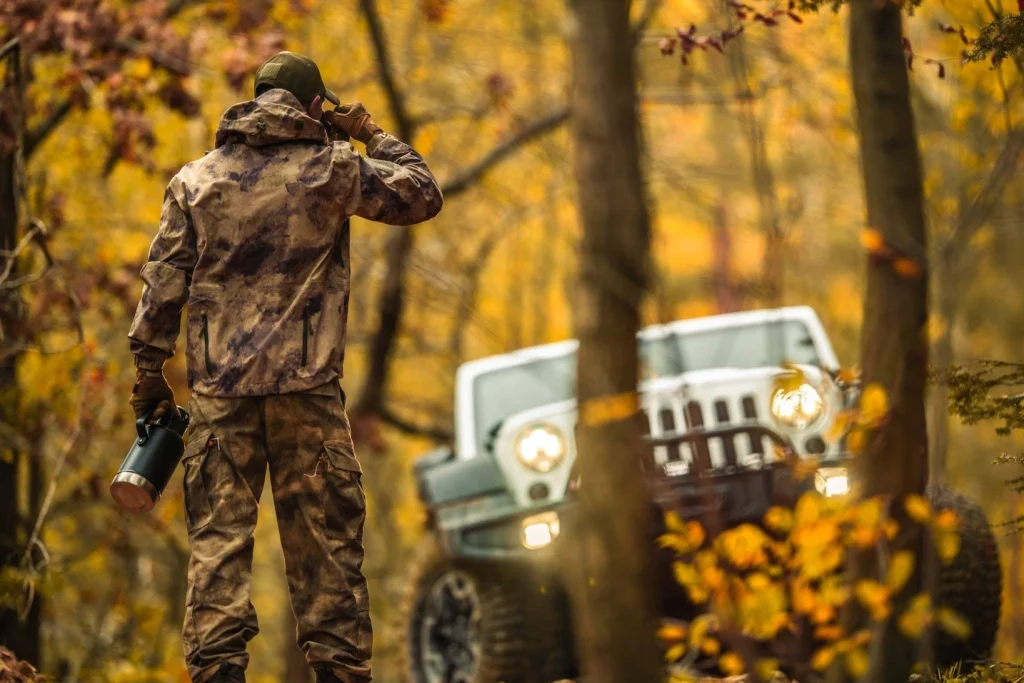
We know hunters are tough. That’s part of the culture, and honestly, we respect it.
But there’s a difference between pushing through a little soreness and ignoring pain that your body is telling you to take seriously.
If you notice persistent or significant back pain, shoulder pain, knee pain, hip discomfort, or other symptoms before or during hunting season, don’t simply assume you need to tough it out.
Getting the right care early may help keep a minor problem from becoming something that takes you out of the woods for much longer.
Chiropractic care and massage therapy can be part of a broader approach to managing muscle tension, joint discomfort, and mobility issues. If you come home from a long day in the field feeling like every muscle in your body needs some attention, our massage therapy services can be a great way to address post-hunt tension and fatigue.
Frequently Asked Questions About Hunting Injuries
What are the most common hunting injuries?
Some of the most common hunting-related complaints include lower back pain, shoulder strain, knee pain, neck stiffness, hip tightness, and muscle soreness. These issues can come from carrying heavy gear, navigating uneven terrain, climbing tree stands, sitting in one position for long periods, or dragging and packing out game.
Why does my back hurt after hunting?
Back pain after hunting can have several causes, including prolonged sitting in a tree stand or blind, hiking over uneven terrain, carrying a heavy pack, or lifting and dragging game. Fatigue can also affect your posture and movement, placing additional stress on your lower back.
How can I prevent back pain while hunting?
Preparing your body before hunting season can help. Focus on building core strength, maintaining flexibility in your hips and legs, wearing supportive footwear, and using proper technique when lifting, pulling, or carrying heavy loads. Using a deer cart, sled, or drag harness when possible can also reduce the physical strain on your back.
Should I see a chiropractor before hunting season?
A pre-season chiropractic visit can be a helpful way to address existing aches and mobility concerns before you head into the woods. Your chiropractor can evaluate areas that may be causing discomfort and recommend ways to prepare your body for the physical demands of hunting season.
What should I do if I hurt my back while hunting?
Stop and assess the situation rather than trying to push through significant pain. Avoid activities that make the pain worse, and seek appropriate medical care if the pain is severe, persistent, or accompanied by symptoms such as numbness, weakness, or difficulty moving.
Can massage therapy help after a long day of hunting?
Massage therapy may help with muscle tension, soreness, and the general physical fatigue that can follow a long day of hiking, sitting, carrying gear, or packing out game. It can be a useful part of your recovery routine after a physically demanding day in the woods.
Get Your Body Ready for Opening Day
You’ve spent weeks preparing your gear, scouting your spot, checking your equipment, and getting ready for opening day.
Don’t forget to prepare the body that has to do all the work.
Whether you’re dealing with back pain, stiff hips, a sore shoulder, or simply want to make sure your body is ready for the physical demands of hunting season, we’re here to help.
Give us a call at 724-527-1700 or book your appointment online. Whether it’s a chiropractic adjustment, massage therapy, or both, taking some time to prepare your body now could help you spend more time doing what you actually came to do: enjoying the hunt.
Good luck out there, and shoot straight.