
As a chiropractor who has treated thousands of patients over the last two decades, one thing has become abundantly clear: the health care professionals in our community are some of the most physically overworked and under-protected people in the workforce.
Every day I see nurses, hospital technicians, home health aides, EMTs, senior-living staff, and travel nurses walk into my office carrying not only the weight of their job—but the physical toll it takes on their spine, joints, and overall well-being.
If you work in health care, I want to take a moment to highlight something you may rarely hear: your job is hard on your body… harder than most people will ever understand. My goal with this article is to help you understand the risks of workplace injury, recognize early warning signs, and learn what you can do to protect yourself—both on and off the clock.
Why Healthcare Workers Are at High Risk for Injury
In 2016 alone, registered nurses in the United States experienced nearly 19,800 nonfatal injuries and illnesses that required time away from work — an incidence rate of 104.2 cases per 10,000 full-time workers — which is higher than the rate for all occupations.
Constant Bending, Twisting, and Lifting
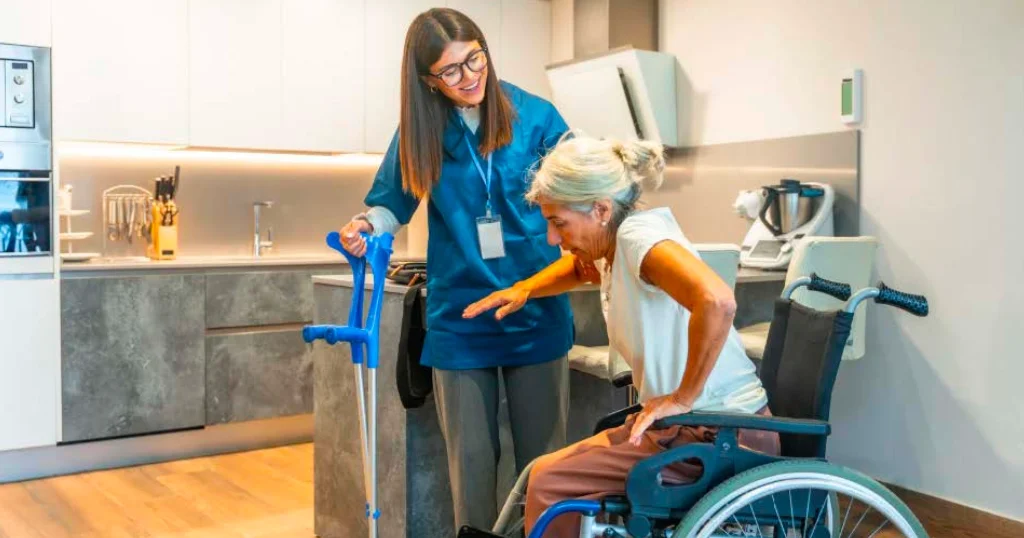
Whether you’re lifting patients, reaching over a bed, adjusting equipment, or supporting someone who is unsteady, your spine is constantly being pushed to its limits. These motions lead to low-back strain, disc irritation or herniation, SI joint dysfunction, sciatica, and pelvic imbalance.
The problem isn’t just weight—it’s awkward angles and repetitive injuries. Your body absorbs thousands of micro-stresses per shift, especially in fast paced healthcare environments.
Neck and Shoulder Stress (“Nurse Neck”)

Charting, checking monitors, performing procedures, leaning forward during long shifts… these all force your neck and shoulders into unhealthy positions.
This often results in:
- Tension headaches
- Cervical disc stress
- Stiffness and reduced mobility
- Shoulder impingement
- Radiating pain down the arm
I hear the same thing over and over:
“It’s just tightness.”
Until it becomes something more.
Hand, Wrist, and Forearm Overuse

Healthcare professionals are constantly gripping—beds, charts, syringes, equipment, and patients. Common issues include carpal tunnel syndrome, wrist tendinitis, thumb joint pain, and grip weakness. These repetitive injuries creep up slowly but can quickly become limiting.
Long Shifts on Your Feet
You walk miles every shift, usually on unforgiving floors.
This contributes to:
- Plantar fasciitis
- Knee pain
- Hip misalignment
- Lower-extremity fatigue
Even the best shoes eventually break down.
For Travel Nurses and Those With Long Commutes
Some of my patients spend two to three hours a day driving to and from work. This can cause low-back compression, tight hip flexors, neck stiffness, increased fatigue, and stress. Long drives combined with fast paced shifts in healthcare systems are a rough combination.
And Then There’s the Emotional Stress

Healthcare systems demand high performance every day. Chronic stress leads to muscle tension, poor sleep, increased inflammation, and slower healing. Your body doesn’t compartmentalize stress—mental stress becomes physical stress.
How Healthcare Workers Can Reduce Their Injury Risk
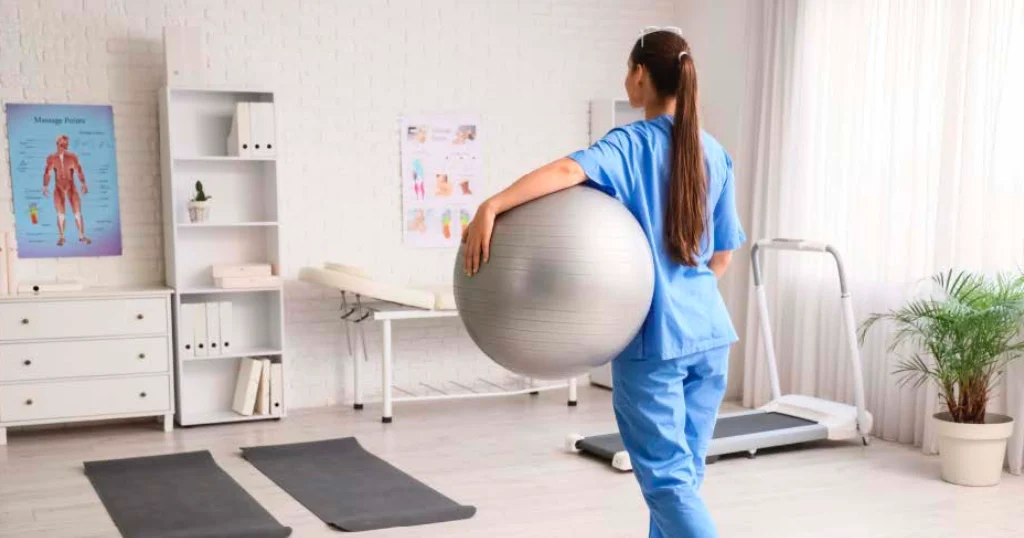
Health care work places constant demands on your body, but many injuries are not inevitable. With the right daily habits, awareness, and support, you can significantly reduce your risk of workplace injury.
The following strategies are practical, realistic, and designed to fit into even the busiest shifts, helping you protect your body while continuing to provide excellent patient care.
Improve Your Lifting Mechanics
One of the most important ways to protect your body on the job is by improving how you lift patients safely. Even small adjustments in technique can make a significant difference over time. Keep patients and equipment close to your body rather than reaching or extending your arms, which places added strain on your lower back.
Engage and brace your core muscles before lifting to stabilize your spine, and avoid twisting at the waist while carrying weight. Pivot your feet to turn your body as one unit, and whenever possible, ask for help. Team lifting isn’t a sign of weakness—it’s a smart strategy to prevent repetitive injuries and keep you healthy for the long term.
Take Micro-Breaks During Your Shift
Long shifts often make it feel impossible to slow down, but brief movement breaks can dramatically reduce muscle tension and fatigue. Even 20 seconds of stretching or gentle mobility work can reset your posture and relieve accumulated stress. Gentle neck stretches, shoulder rolls, wrist mobility exercises, and standing back extensions can restore circulation and reduce stiffness.
Physical therapists also recommend deep breathing to calm your nervous system and lower stress hormones. These small “micro-breaks” prevent workplace injury over time.
Choose Proper Footwear and Support

Healthcare workers spend hours walking and standing on hard, unforgiving floors, which means your feet absorb an enormous amount of impact every single shift. Wearing supportive, well-cushioned shoes is essential—not optional. Shoes that lack proper support can contribute to plantar fasciitis, knee pain, hip imbalance, and lower back discomfort. Replacing your footwear every six months helps ensure you’re not working in worn-out soles that no longer protect you.
If you’re on your feet all day, custom orthotics can provide additional stability and alignment. Remember, your feet are the foundation of your body. When they’re supported properly, everything above them functions better.
Reduce “Tech Neck” Habits
Charting, checking monitors, and using your phone or tablet throughout the day often leads to what many providers now call “tech neck.” Constantly leaning your head forward places excessive strain on the muscles and discs of your neck and upper back. Over time, this posture can lead to headaches, stiffness, and radiating pain into the shoulders or arms.
Make a conscious effort to keep screens at eye level whenever possible, relax your shoulders down and back, and avoid prolonged forward head posture. Using voice-to-text features can also minimize the amount of time you spend hunched over devices. Small ergonomic improvements add up quickly and can significantly reduce daily strain.
Strengthen Your Core and Upper Back
Finally, one of the best defenses against injury is building strength and stability in the muscles that support your spine. A strong core and upper back act like a natural brace, helping your body handle the physical demands of lifting, bending, and standing for long periods.
You don’t need a long workout—even a few minutes each day can make a noticeable difference. Simple exercises such as bird dogs, glute bridges, rows, planks, and resistance-band pulls help improve posture, balance, and endurance. Over time, strengthening these key muscle groups reduces strain on your joints and helps prevent injuries before they start, allowing you to move through your shifts with greater confidence and less pain.
Where Chiropractic Care Fits In

This is where I come in.
Healthcare workers are some of the most common patients in my office for a reason: your job demands a level of physical resilience that chiropractic care directly supports.
Chiropractic care can help:
✔ Improve spinal alignment and mobility
✔ Reduce neck and back pain
✔ Relieve tension headaches
✔ Improve posture
✔ Reduce nerve irritation
✔ Increase flexibility and strength
✔ Enhance recovery between shifts
✔ Prevent re-injury
Complementary Treatments I Recommend in My Office:
- Soft-tissue therapy
- Myofascial release
- Stretching and mobility programs
- Postural and ergonomic coaching
- Core stabilization exercises
- Custom orthotics
- Stress-management strategies
Healthcare workers are the ultimate caregivers, but you deserve care too! Explore our complete list of services.
A Final Message to the Healthcare Heroes I Treat
You give so much of yourself every day. You lift, bend, twist, comfort, carry, and support others in their worst moments. You put your own body on the line because that’s the nature of your work.
But you cannot pour from an empty cup.
Protecting your spine, your joints, and your health is not selfish—it’s necessary. My job is to help you stay strong, mobile, and pain-free so you can keep doing the work you love without sacrificing your own well-being.
If you’re struggling with pain, tension, or exhaustion from your job, you’re not alone—and you don’t have to “just deal with it.”I’m here to help. Schedule an appointment to relieve pain, restore mobility, and prevent injuries before they slow you down.